
And Jesus went about all Galilee, teaching in their synagogues, preaching the gospel of the kingdom, and healing all kinds of sickness and all kinds of disease among the people.
– Matthew 4:23
The Story of Whole Person Health
In 1866, a time when most people, including Adventists, suffered from poor health, medical practices were atrocious by today’s standards. Doctors prescribed generous doses of opium, strychnine and other dangerous substances. The wisdom of the day dictated that water should be withheld from those with a raging fever, and hospitals functioned as a staging area for those at the end of life. Several founders of the Seventh Day Adventist Church, however, had a better idea for healthy living.
These pioneers believed God had already provided the best remedies in nature, and instead of focusing on healing a sickness already in place, they focused on the prevention of sickness altogether. They suggested that people make sure they receive plenty of fresh air, sunshine, nutritious food, rest, exercise and clean water to maintain healthy living.
Today, these principles can be summed up through the CREATION acronym — Choice, Rest, Environment, Activity, Trust in God, Interpersonal Relationships, Outlook and Nutrition. Following these eight principles will keep you feeling whole — physically, mentally and spiritually.
Battle Creek Sanitarium
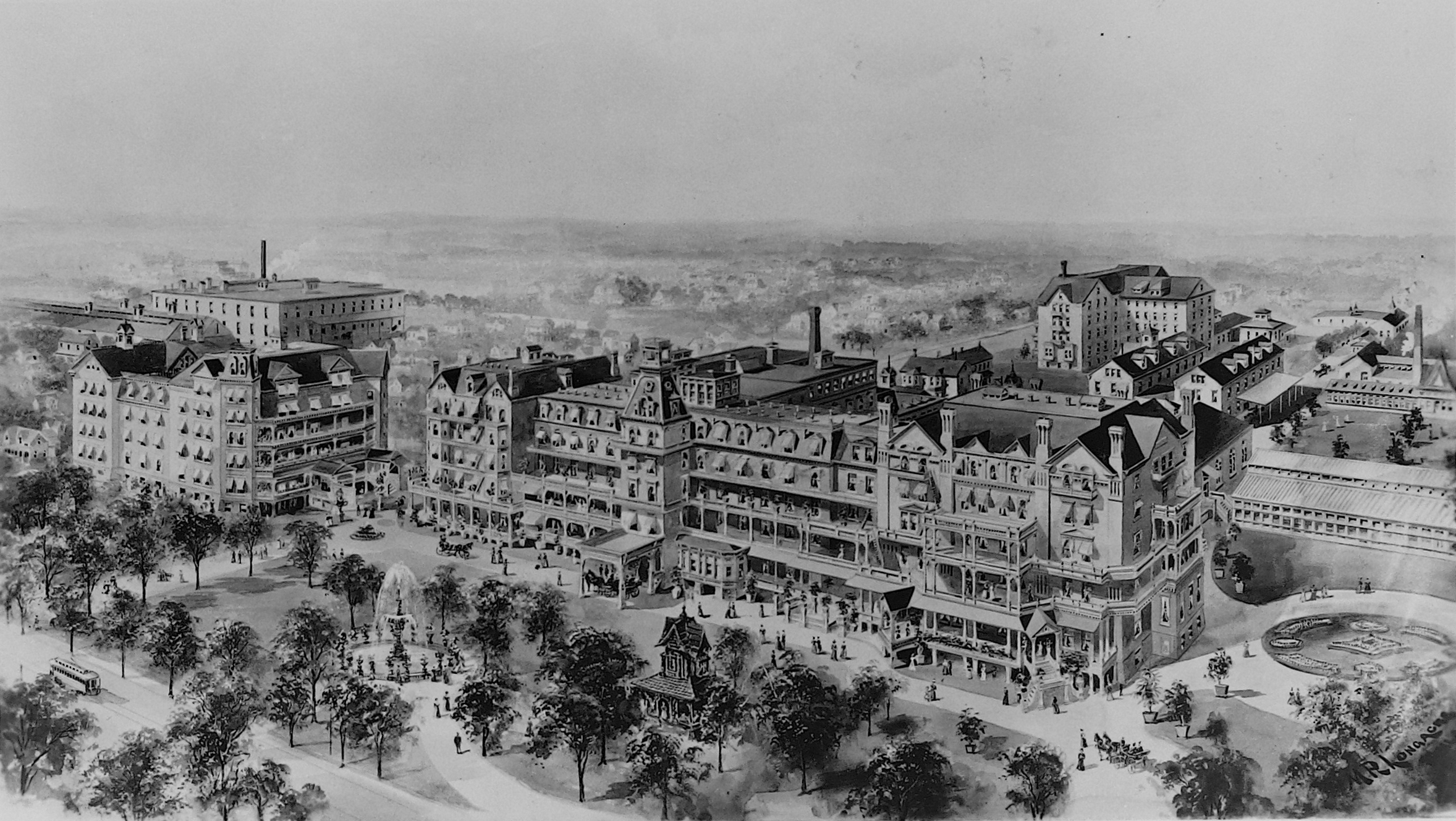
Photo Gallery
Click an image below to expand it.
James White
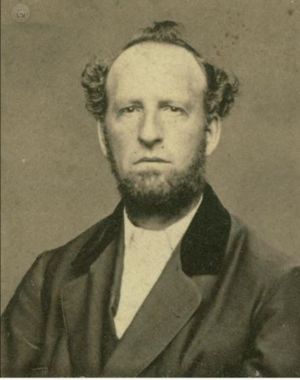
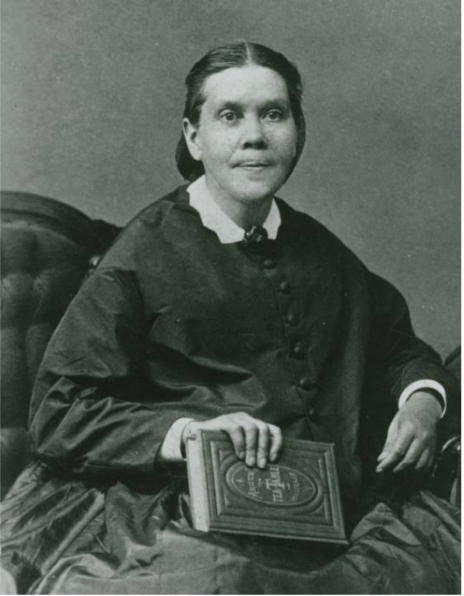
Ellen White
John Harvey Kellogg
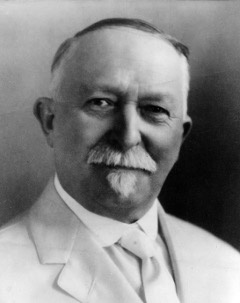
Joseph Bates
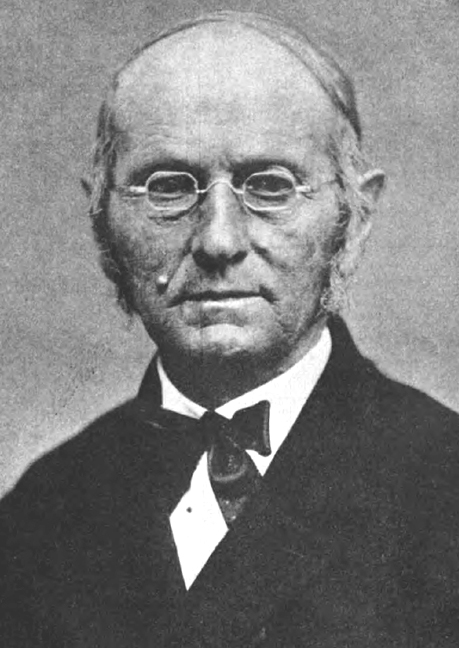
J.N. Andrews
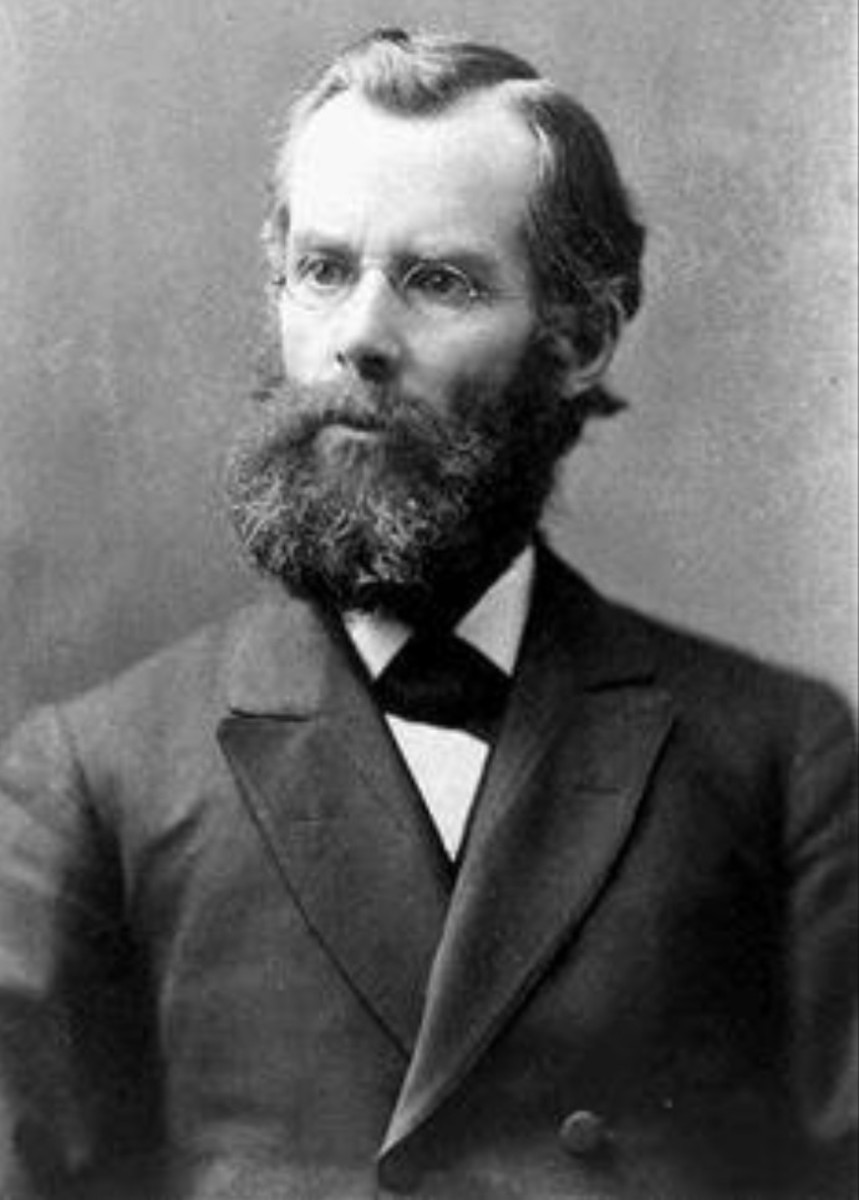
First Kellogg’s Cereal

Western Health Reform Institute
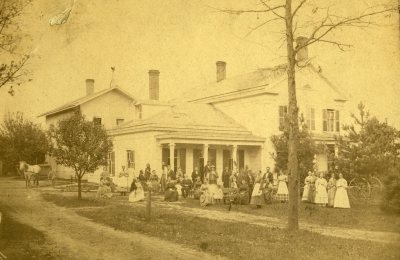
The burning of Battle Creek Sanitarium
Feb. 18, 1902

Did You Know?
AdventHealth is an expression of the health ministry of the Seventh-day Adventist Church. Adventist churches look much like other Christian worship centers, but their doors open for worship on Saturday, the seventh day.
In 1863, when the Seventh-day Adventist Church got its start, the United States was in the middle of the Civil War. Families were often torn apart as they fought on opposite sides. Although the political issues divided people, many on both sides turned to God in search of meaning. It was here that the Adventist church began to grow.
Raffling a community-sewn quilt, collecting donations with roadside “bucket brigades,” and working for little or no pay, were ways that community, staff, and Adventist church members, came together to open health reform sanitariums in the late 1800s. Sacrifice, resilience and resourcefulness were hallmarks of the cooperative effort to build Adventist facilities across the country.
Faith Community Newsletter
Sign up for recipes, discounts, articles and more!